
When temperatures drop and windows stay closed, indoor air quality often suffers. Dryness, dust buildup, and stale air can make your home uncomfortable and even aggravate health issues like allergies or dry skin. While your heating system keeps you warm, it can also reduce humidity and circulate airborne pollutants if not properly maintained.
Maintaining good indoor air quality (IAQ) during the winter months isn’t just about comfort, it’s essential for your family’s health and your HVAC system’s performance. Below, we’ll explore how Kelowna’s cold weather affects indoor air, what causes it to feel “stale,” and how professional maintenance and smart solutions from Vision Plumbing Heating Cooling can help you breathe easier all winter long (plus some lesser known tips!). If you’re interested in the opposite end, we also have an article covering how Okanagan wildfire smoke affects your indoor air quality.
Why Indoor Air Quality Declines in Winter
Winter air is naturally dry, and once it enters your home, your heating system dries it out even more. With windows and doors tightly sealed to keep out the cold, fresh air circulation is limited. This causes pollutants like dust, pet dander, and volatile organic compounds (VOCs) from household products to build up indoors.
Low humidity and poor ventilation can lead to:
- Dry skin, sore throats, and irritated sinuses
- Increased static electricity
- Aggravated allergy and asthma symptoms
- Warped wood furniture or flooring
Without the right balance of humidity and ventilation, your home’s air can feel stale, stuffy, and less healthy to breathe.
The Role of Your HVAC System in Air Quality
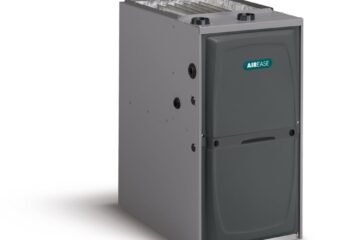
Your home’s HVAC system does more than regulate temperature: it directly impacts air quality. Dirty filters, leaky ducts, or poorly maintained furnaces can circulate dust, allergens, and other contaminants throughout your home.
Routine HVAC maintenance during the winter months helps ensure your heating system isn’t spreading pollutants or drying the air excessively. Vision Plumbing Heating Cooling recommends:
- Replacing or cleaning filters monthly during heavy heating use
- Inspecting ducts for leaks or dust buildup
- Cleaning vents and registers to improve airflow
- Scheduling annual furnace maintenance for optimal performance
A clean, efficient HVAC system not only keeps you warm, but also supports healthier indoor air.
Effective Solutions for Dry & Stale Winter Air
Improving indoor air quality in winter requires a combination of moisture balance, air purification, and ventilation. Here are the most effective steps homeowners can take:
1. Use a Whole-Home Humidifier
A central humidifier adds the right amount of moisture to your air, preventing dryness that causes discomfort and damage to wood or electronics.
2. Invest in Whole-Home Air Purification
While portable units may help one room, Vision installs systems that clean the air in every room of your house through your existing ductwork. We offer three main types of protection:
- Electronic Air Cleaners (EACs): These advanced systems use electrically charged plates to trap microscopic contaminants as small as 0.1 microns, including smoke and pet dander. Bonus: The collector plates are washable, meaning you save money on buying replacement filters.
- High-Efficiency Media Air Cleaners: If you prefer a low-maintenance option, these use thick, pleated filters (rated MERV 13 or higher) to capture significantly more dust and pollen than a standard furnace filter.
- UV Air Purification: ideal for biological contaminants, these systems use ultraviolet light to neutralize airborne bacteria, viruses, and mold spores as they pass through your HVAC system.
3. Increase Ventilation
When possible, open windows briefly to allow fresh air exchange. In newer, tightly sealed homes, consider a heat recovery ventilator (HRV) or energy recovery ventilator (ERV) to bring in outdoor air efficiently.
4. Keep Filters Clean
Changing your furnace filters regularly is one of the simplest and most effective ways to improve air quality.
5. Schedule Professional HVAC Maintenance
A licensed technician can inspect, clean, and calibrate your system to ensure it operates efficiently and safely through the winter months.
Lesser-Known Ways to Boost Winter Air Quality
Beyond the standard tips above, a few small habit changes can make a big difference:
- Change Your Humidifier Water Panel (Evaporator Pad): Don’t forget your humidifier pad! If you have a whole-home humidifier, the water panel inside needs to be replaced annually (usually at the start of winter) to prevent mold buildup and ensure it actually adds moisture.
- The “Pre-Heat” Vent Rule: Don’t wait until you smell smoke to turn on your kitchen range hood. Turn it on before you start cooking to capture fine particles and grease the moment they are released. This is a good year-round tip, but especially with any increased cooking around the winter holidays.
- Rethink Your Candle Choice: Winter is candle season, but standard paraffin wax candles can release benzene and toluene (VOCs) into your air. Opt for soy or beeswax candles, which burn cleaner.
- The Attached Garage Warning: Never idle your car inside an attached garage to “warm it up,” even if the garage door is open. Exhaust fumes and dangerous carbon monoxide can seep through the connecting door and linger in your living space for hours.
How Vision Plumbing Heating Cooling Helps You Breathe Easier During Winter
At Vision Plumbing Heating Cooling, we’re committed to helping homeowners across Kelowna create healthier, more comfortable living environments. Our team offers complete indoor air quality solutions, from humidifier installation, to furnace inspections/repairs, and whole-home air purifiers.
We use proven methods and trusted products to restore balance to your home’s air—reducing dryness, filtering out pollutants, and maintaining proper humidity levels for comfort and health.
Whether you’re dealing with static shocks, dry air, or recurring allergy symptoms, Vision has the expertise to diagnose and resolve the problem quickly.
Breathe Better This Winter with Vision Plumbing Heating Cooling
Don’t let winter air leave your home feeling dry and stale. With the right maintenance and indoor air quality solutions, you can enjoy warmth and comfort without sacrificing health or freshness.
Schedule your indoor air quality consultation today with Vision Plumbing Heating Cooling. We’ll help you identify problem areas, recommend the right solutions, and ensure your home’s air stays clean and comfortable all season long.
Frequently Asked Questions About Combating Dryness & Stale Air
Why is indoor air drier in winter?
Heating systems remove moisture from the air, while sealed homes prevent fresh air circulation, leading to low humidity levels.
How can I tell if my air is too dry?
Common signs include dry skin, static shocks, and cracking wood furniture or floors.
Can’t I just crack a window to get rid of stale air?
You can, but you are literally throwing money out the window by letting your expensive heat escape! A specialized ventilation system (like an HRV or ERV) is designed to filter and pre-warm the fresh air coming in using the heat from the stale air going out. You get the fresh air you need without the energy bill spike.
Are portable humidifiers enough for an entire home?
They can help small spaces, but for consistent results, a whole-home humidifier is more effective.
Will an air purifier help with winter cooking odors?
Absolutely. Many whole-home systems, especially those with carbon filtration or EACs, are designed to neutralize odors from cooking, pets, and smoke rather than just masking them.
Can HVAC maintenance really improve air quality?
Yes! Clean filters, ducts, and vents ensure your system circulates cleaner air and maintains balanced humidity.
What is the difference between an HRV and an ERV, and which do I need?
Both bring in fresh air, but they handle moisture differently. HRV (Heat Recovery Ventilator): Best if your house feels too humid or stuffy in winter (common in newer, airtight homes). It pushes moisture out. ERV (Energy Recovery Ventilator): Best if your house feels too dry. It captures humidity from the outgoing air and keeps it inside, so you don’t lose that comfortable moisture.
My windows are foggy on the inside, but the air still feels “stuffy.” What’s going on?
This is a classic sign that your home is trapping stale air. Modern homes are built relatively airtight to save heat, but that means pollutants and old air often can’t escape. The fog can be visible proof that your house isn’t “breathing.” A Heat Recovery Ventilator (HRV) solves this by constantly swapping that stale, stuffy air for fresh outdoor air—without letting your heat escape.