
Every furnace makes some sound as part of normal operation, think gentle humming and occasional clicking when starting up. However, unusual or loud furnace noises could be your system’s way of signaling that something needs attention. Recognizing these warnings early can save you from a costly breakdown and help you plan for furnace repair before a minor issue turns into a major problem.
Common Furnace Noises and What They Mean
When it comes to furnace operation, not all sounds are created equal. Some are simple background noise, but others may indicate an underlying problem requiring professional service.
- Clicking sounds: A few clicks at startup or shutdown are normal as control components engage. But repeated clicking without firing up might point to an ignition issue.
- Banging or popping: Loud bangs when the furnace starts often stem from delayed ignition — gas builds up before it ignites. This mini explosion inside the combustion chamber can damage key parts like the heat exchanger.
- Squealing or screeching: These high-pitched noises usually come from friction in the blower motor or a worn-out belt. If left unaddressed, the motor could fail completely.
- Humming or buzzing: Persistent buzzing might be electrical, such as a failing capacitor or transformer.
- Whistling and hissing: Whistling often indicates restricted airflow possibly due to a clogged filter while hissing combined with a gas smell should be treated as an emergency.
Listening carefully and noting when and how these noises occur can help both you and your technician diagnose the issue faster when it’s time for furnace repair.
Furnace Maintenance Tips to Prevent Noise Problems
Routine maintenance is one of the best defenses against strange furnace noises and costly repairs. Not only does maintenance help your system run more quietly, it also boosts efficiency and prolongs its lifespan.
Here are some key furnace maintenance tips you can follow:
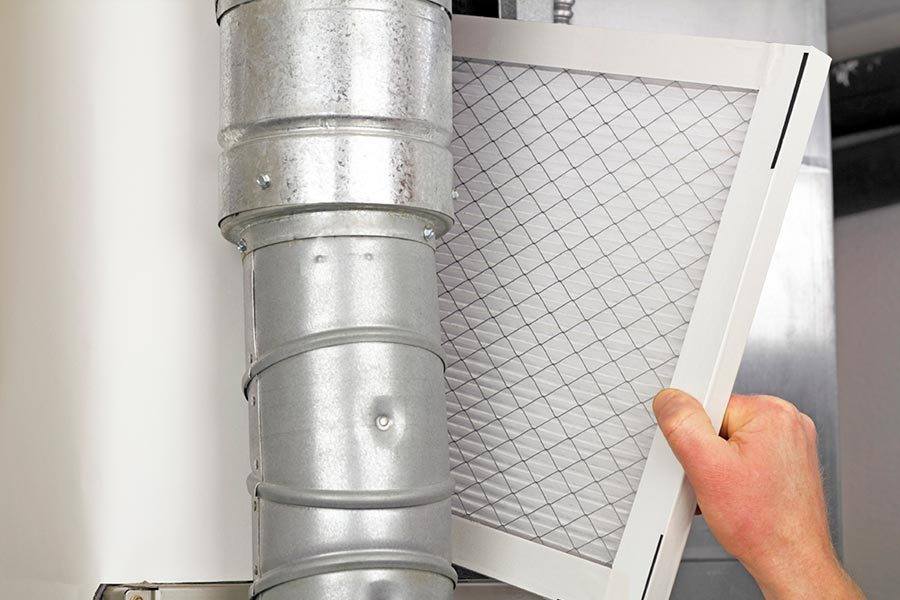
- Replace air filters regularly: A clogged filter restricts airflow, forcing your furnace to work harder and creating potential whistling or humming sounds.
- Schedule annual professional inspections: A technician will check and adjust components, lubricate moving parts, and ensure everything is running smoothly before the heating season hits.
- Keep the area around the furnace clear: Proper airflow around your unit not only makes it more efficient but helps you hear unusual noises earlier.
- Check vents and ductwork: Loose duct connections can cause rattling or whistling noises and reduce system efficiency.
Following these maintenance best practices isn’t just good for peace and quiet, it can help you avoid expensive furnace repairs down the road.
Furnace Tune-Up Benefits and When to Call for Repair
Investing in a professional furnace tune-up each year offers multiple long-term advantages. A tune-up helps your system operate safely, efficiently, and quietly which can make a big difference as temperatures drop.
Benefits of a furnace tune-up include:
- Improved efficiency: Clean components and proper calibration help your furnace heat your home without wasting energy.
- Fewer breakdowns: Technicians can catch wear or damage before it leads to a failed part.
- Enhanced safety: Routine checks reduce the risk of hazards like delayed ignition or gas leaks.
- Extended system lifespan: A well-maintained furnace tends to last longer and perform better.
When to call for furnace repair:
If your furnace starts making unusual sounds that persist even after basic maintenance especially banging, grinding, or hissing with odors it’s time to reach out to professionals. These noises often indicate mechanical or safety issues that need immediate attention to avoid bigger problems later.
When Furnace Noises Mean It’s Time to Act
A furnace isn’t supposed to operate in complete silence but loud, unusual, or sudden noises are often your system’s way of saying something’s wrong. Paying attention to these sounds, keeping up with furnace maintenance tips, and investing in annual furnace tune-up benefits can prevent expensive breakdowns and keep your home warm and safe. For expert help diagnosing and repairing noisy or malfunctioning systems, trust the professionals at Vision Plumbing Heating Cooling.
Frequently Asked Questions (FAQ)
Q: What noises indicate an immediate need for furnace repair?
A: Loud banging, continuous squealing, grinding, or hissing accompanied by a gas smell are signs to call for professional furnace repair right away.
Q: How often should I replace my furnace filter?
A: Check filters monthly and replace them at least every 1–3 months, especially during heavy usage months, to prevent airflow issues and noise problems.
Q: Are all furnace noises serious?
A: No, gentle humming and brief clicking during startup are normal. However, unusual or loud noises deserve attention.
Q: Can poor ductwork cause furnace noises?
A: Yes, whistling, rattling, and popping noises can stem from leaky or improperly balanced ductwork.
Q: Does a tune-up reduce repair costs?
A: Regular tune-ups help catch small issues early, often reducing the need for costly emergency furnace repairs later on.