

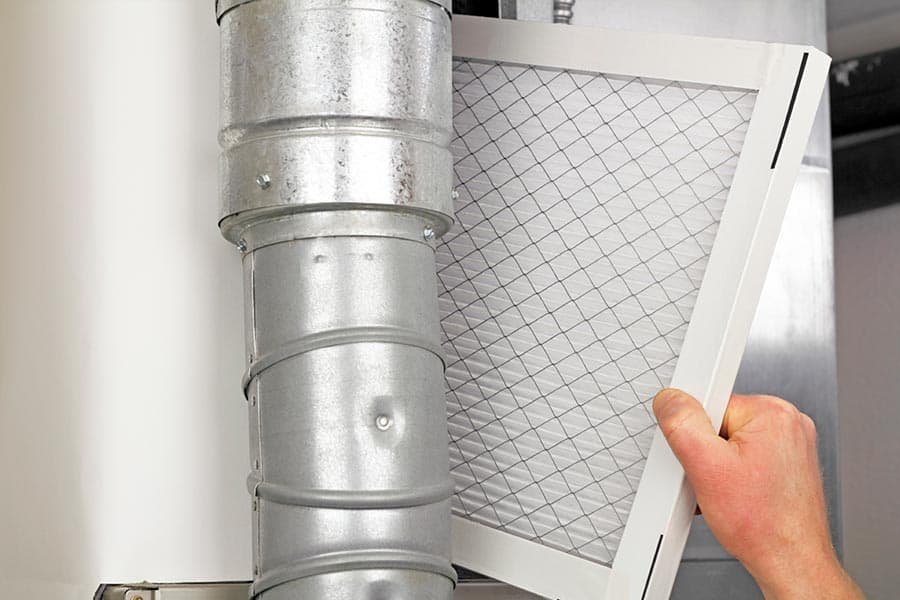
Furnace filter maintenance is one of the simplest yet most important tasks homeowners can do to keep their heating system running smoothly. While it’s easy to overlook, a dirty or clogged furnace filter can lead to higher energy bills, poor airflow, and even unexpected breakdowns. Knowing when to perform furnace filter maintenance and why it matters, can help you protect your system, improve comfort, and avoid unnecessary repairs.
Why Furnace Filter Maintenance Matters
Your furnace filter plays a critical role in protecting your heating system and your home. Its primary job is to trap dust, dirt, pet hair, and other airborne particles before they enter your furnace. When the filter becomes clogged, airflow is restricted, forcing your furnace to work harder than necessary. Regular furnace filter maintenance helps improve furnace efficiency by allowing air to flow freely through the system. When airflow is unrestricted, your furnace doesn’t need to run as long or as often to maintain a comfortable temperature. This not only reduces wear and tear on components like the blower motor but also helps keep energy costs in check. Neglecting filter maintenance can cause your furnace to overheat or cycle improperly, increasing the risk of breakdowns during peak heating season. In short, a clean filter supports reliable performance and protects your investment.When to Change or Clean Your Furnace Filter
So, when exactly should furnace filter maintenance be performed? The answer depends on several factors, including filter type, household conditions, and how often your furnace runs. As a general guideline:- Standard disposable filters should be replaced every 1–3 months
- High-efficiency or pleated filters can last up to 3 months, depending on usage
- Washable filters should be cleaned monthly and allowed to dry completely before reinstallation
