
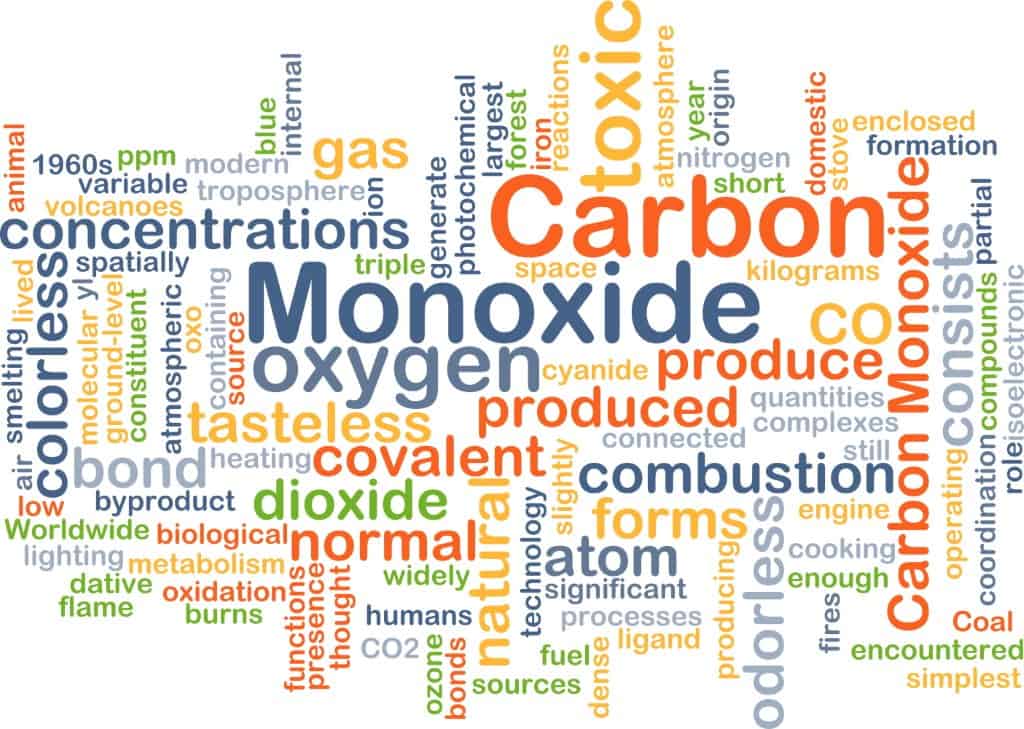
As fall settles in across British Columbia, homeowners begin firing up furnaces, boilers, and fireplaces for the first time in months. While this seasonal shift brings comfort and warmth, it also introduces a serious and often overlooked risk: the dangers of carbon monoxide. Carbon monoxide (CO) is a colourless, odourless gas that can build up inside homes and cause severe health issues or worse if left undetected. Understanding where CO comes from, how it affects your household, and how to prevent it is essential for staying safe this fall.

 Vision Plumbing Heating Cooling offers a full inspection service for all of your gas and fuel burning equipment such as furnaces, hot water tanks, fireplaces, dryers by our licensed gas technicians
Call Vision Plumbing Heating Cooling 250-470-9552
https://www.facebook.com/VisionMechanicalLtd
https://twitter.com/VisionMech
Read more at safetyauthority.ca/news/media-releases/bc-safety-authority-highlights-dangers-carbon-monoxide-fall-comes-bc#sthash.P8IRMkSV.dpuf
Vision Plumbing Heating Cooling offers a full inspection service for all of your gas and fuel burning equipment such as furnaces, hot water tanks, fireplaces, dryers by our licensed gas technicians
Call Vision Plumbing Heating Cooling 250-470-9552
https://www.facebook.com/VisionMechanicalLtd
https://twitter.com/VisionMech
Read more at safetyauthority.ca/news/media-releases/bc-safety-authority-highlights-dangers-carbon-monoxide-fall-comes-bc#sthash.P8IRMkSV.dpuf
Understanding the Dangers of Carbon Monoxide in the Home
Carbon monoxide is produced whenever fuel is burned. This includes natural gas, propane, oil, wood, and even gasoline. Common household sources include furnaces, boilers, fireplaces, gas stoves, and attached garages. The danger lies in the fact that CO is impossible to detect without proper equipment. Exposure to carbon monoxide can cause symptoms such as headaches, dizziness, nausea, confusion, and fatigue. At higher levels or with prolonged exposure, it can lead to loss of consciousness or even death. Because these symptoms often resemble the flu, many homeowners don’t realize what’s happening until the situation becomes critical. The dangers of carbon monoxide increase in fall and winter when homes are sealed tightly against the cold, reducing ventilation. Blocked vents, cracked heat exchangers, or malfunctioning appliances can allow CO to accumulate indoors, turning an invisible gas into a serious safety threat.Carbon Monoxide Prevention Starts with Proper Maintenance
The good news is that carbon monoxide incidents are largely preventable. Carbon monoxide prevention begins with regular maintenance and awareness. Any fuel-burning appliance should be inspected and serviced routinely to ensure it’s operating safely and venting exhaust properly. Key prevention steps include:- Keeping vents, chimneys, and flues clear of debris, snow, and nests
- Never operating fuel-burning appliances without proper ventilation
- Avoiding the use of BBQs, generators, or fuel-powered tools indoors or in garages
- Ensuring vehicles are never left running in enclosed or attached spaces
Why an HVAC Safety Inspection Is Critical in Fall
Scheduling an annual HVAC safety inspection before heating season is one of the most effective ways to reduce the risk of carbon monoxide exposure. During an inspection, a trained technician checks critical components like burners, heat exchangers, venting systems, and gas connections to ensure everything is functioning safely. An HVAC safety inspection can:- Identify cracks or corrosion in heat exchangers
- Detect improper venting or airflow issues
- Ensure combustion is occurring efficiently
- Catch small problems before they become dangerous failures
Stay Safe from the Dangers of Carbon Monoxide
The dangers of carbon monoxide are real, but they are also preventable with the right steps. Staying informed, practicing carbon monoxide prevention, and booking a professional HVAC safety inspection can significantly reduce the risk to your home and family this fall. If you want peace of mind knowing your heating system is operating safely, trust the experienced professionals at Vision Plumbing Heating Cooling to help protect what matters most.Frequently Asked Questions
What makes carbon monoxide so dangerous? Carbon monoxide is dangerous because it’s colourless, odourless, and can build up without warning, causing serious health effects before you realize there’s a problem. What are the most common sources of carbon monoxide in homes? Furnaces, boilers, fireplaces, gas stoves, water heaters, and attached garages are common sources of carbon monoxide. How can I prevent carbon monoxide exposure? Carbon monoxide prevention includes regular appliance maintenance, keeping vents clear, installing CO detectors, and scheduling annual HVAC safety inspections. Where should carbon monoxide detectors be installed? Install detectors on every level of your home and near bedrooms so alerts are heard while sleeping. How often should I schedule an HVAC safety inspection? An HVAC safety inspection should be done once a year, ideally in the fall before heating systems are used regularly.Vision Plumbing Heating Cooling offers a full inspection service for all of your gas and fuel burning equipment such as furnaces, hot water tanks, fireplaces, dryers by our licensed gas technicians
Call Vision Plumbing Heating Cooling 250-470-9552
https://www.facebook.com/VisionMechanicalLtd
https://twitter.com/VisionMech
Read more at safetyauthority.ca/news/media-releases/bc-safety-authority-highlights-dangers-carbon-monoxide-fall-comes-bc#sthash.P8IRMkSV.dpuf