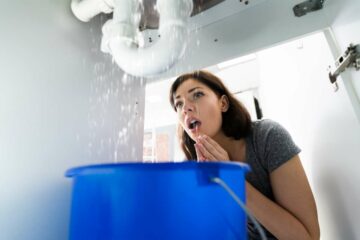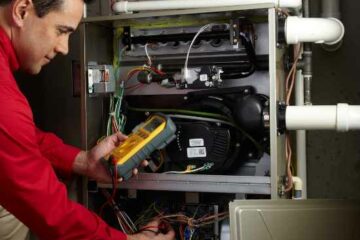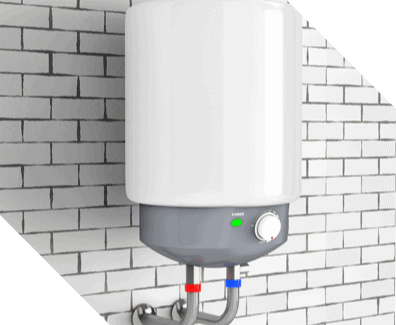
Quick Answer: Most health authorities, including Health Canada, recommend keeping your hot water tank set at 60°C (140°F) to prevent the growth of Legionella bacteria inside the tank. At the same time, water above 49°C (120°F) can cause a serious scald in seconds, which is why the safest setup for most homes uses a tempering or mixing valve: the tank stays hot enough to control bacteria, while water delivered to taps and showers is brought down to a safer temperature.
“What temperature should my hot water tank be set to” sounds like it should have one simple answer, but it is actually balancing two competing risks: a tank that is too cool can let bacteria grow inside it, while water that is too hot at the tap can scald someone in seconds, particularly children, older adults, and anyone with reduced sensitivity to heat. Understanding both sides is the only way to set your tank correctly instead of guessing.
Why 60°C Is the Recommended Hot Water Tank Temperature for Bacteria Control
Legionella and other bacteria can grow inside a water heater tank when temperatures sit in a lukewarm range for extended periods. The danger zone is roughly 20°C to 50°C, with the highest risk of bacterial growth between 35°C and 46°C.Health Canada recommends maintaining tank temperature at 60°C (140°F) specifically to keep bacterial growth in check, since that temperature is high enough to prevent the conditions bacteria need to establish themselves in the tank.
This matters more than people expect for a tank that sits mostly idle (such as at a seasonal property) or one that has been turned down to save energy without a tempering valve to compensate at the tap. If your water has also developed an unusual smell alongside these concerns, our hot water smells guide explains how temperature and bacteria connect.
Why Hot Water at 60°C Is a Scald Risk at the Tap
At the same time, water at 60°C reaching a shower or bathtub directly can cause a serious burn in approximately five seconds for adults, and significantly faster for children. Children, older adults, and anyone with reduced skin sensitivity or slower reaction time are at higher risk, which is why most plumbing codes and manufacturer guidance recommend water delivered at the tap sit closer to 49°C (120°F) or lower, particularly in bathrooms.
This is the tension at the core of hot water temperature safety. The tank needs to run hot enough to control bacteria, but water at the fixture needs to be cooler to avoid scalding. Running the whole system at a single lower temperature solves the scald risk but reopens the bacteria risk. Running it all hot solves the bacteria risk but creates a scald hazard at every tap in the house.
The Fix: A Tempering or Mixing Valve for Your Kelowna Home
A tempering valve (sometimes called an anti-scald or mixing valve) solves both problems at once. It is installed at the outlet of the water heater and blends hot water from the tank with a small amount of cold water before it is distributed to the rest of the house. The tank itself stays at the recommended 60°C for bacteria control, while the water actually reaching taps and showers is brought down to a safer 49°C or lower.
If your home does not have one installed (and many older Okanagan homes do not), this is a relatively straightforward upgrade for a licensed plumber to add. It removes the need to compromise between the two competing risks by picking one uncomfortable middle-ground temperature.
How to Check Your Current Hot Water Tank Temperature Setting
Most tanks have a dial or digital display near the bottom, often marked with general settings like “low,” “medium,” “hot,” or a specific temperature scale rather than exact degrees. If yours only shows vague settings, the most reliable way to know your actual temperature is to run the hot tap for a minute and measure it directly with a thermometer, since dial markings do not always correspond precisely to actual tank temperature, especially as tanks age.
If you measure water at the tap above 54°C (130°F) without a tempering valve installed, that is worth addressing by either adjusting the tank setting or having a tempering valve installed so you are not choosing between scald risk and bacteria risk.
Hot Water Tank Temperature Safety for Seasonal and Vacation Properties
A tank that sits idle for weeks at a time (at a lake cabin or a home you leave for the winter) is exactly the situation where bacteria have the most opportunity to establish themselves, since there is no daily hot water use cycling the tank. If you are closing up a property before a season away, do not simply turn the water heater off and forget it. Either leave it running at the recommended 60°C with a tempering valve in place, or if you are powering it down completely, plan to run the tank through a full heating cycle and flush a few tank volumes through before using hot water normally again when you return. This is worth adding to your pre-departure plumbing and HVAC checklist if you travel regularly.
Hot Water Temperature Safety for Tankless Systems in Kelowna
The same principles apply to tankless water heaters, though the mechanics differ slightly since there is no standing tank of water sitting at a fixed temperature around the clock. Tankless units heat water on demand, and most allow you to set the target output temperature directly at the unit or a connected control panel. The same 49°C guidance at the tap still applies, and many tankless systems make it easier to dial in that exact number without needing a separate tempering valve, since there is no tank-versus-tap tradeoff to manage in the first place.
Get Your Hot Water Tank Temperature Set Correctly
Balancing bacteria risk against scald risk is not something to guess at. Vision Plumbing Heating Cooling services hot water tanks and tankless systems across Kelowna, West Kelowna, Vernon, Summerland, Peachland, and Penticton, including tempering valve installation. Contact us to have your system checked and set correctly.
Frequently Asked Questions About Hot Water Tank Temperature
60°C (140°F) at the tank is the generally recommended setting to control bacteria growth, paired with a tempering valve so the water actually reaching your taps is closer to 49°C (120°F) to avoid scald risk.
Lowering tank temperature below about 50°C on a sustained basis increases the risk of bacterial growth inside the tank. If energy cost is the concern, a better approach is improving insulation or upgrading to a more efficient tank or tankless system rather than running the tank at an unsafe low temperature.
It is typically installed at or near the outlet of the water heater. If you are not sure, a plumber can check during a routine visit and confirm whether one is installed and functioning correctly.
Yes. Water at 60°C can cause a serious burn in approximately five seconds for a healthy adult, and significantly faster for children and older adults. This is why the tap temperature recommendation exists separately from the tank temperature recommendation.
Not directly, but sediment buildup (a common cause of popping and rumbling sounds) also forces the tank to work harder to maintain temperature. If your tank is making noise, call a plumber.