
Quick Answer: Before you leave your Kelowna home for vacation, shut off your main water supply valve, set your thermostat to an away temperature rather than turning it off completely, drain outdoor hoses, and have a neighbour or smart leak detection system keeping watch while you’re gone. This vacation plumbing checklist takes about 20 minutes and can prevent thousands of dollars in flood or heat-related damage while you’re away.
Every summer, Okanagan homeowners lock the door, load the car, and drive off without giving their plumbing or HVAC system a second thought. Most trips end without incident. But a slow leak behind a washing machine or a thermostat left in the wrong mode can turn a relaxing week away into a very expensive homecoming. This plumbing before vacation checklist walks through exactly what to check, in what order, so your home is protected the entire time you’re gone.
We put this together after seeing the same handful of vacation-related service calls come up year after year: flooded basements from a supply line that gave out on day three of a trip, and homes that strained their AC system trying to catch up on the hottest day of the year. None of it is complicated to prevent. It just has to happen before you leave, not after you get the call.
Start With Your Main Water Shutoff
The single biggest risk to an empty home is water that keeps flowing after something fails. A supply line, a toilet fill valve, or an aging hose connection can leak for days with nobody there to notice, and by the time you’re home, it’s not a repair — it’s a remediation project.
If you have a smart water shutoff valve installed, this step is largely automated: the system monitors for leaks and shuts off the main line before damage spreads, even if nobody is home. Products like Sedna by Sinope can detect as little as 0.4 mm of water and send a notification to your phone the moment a problem is detected. Vision Plumbing Heating Cooling is the largest Sedna dealer in Canada — learn more about our water leak detection and flood prevention services.
Without a smart system, manually shutting off the main valve is the safest option for trips longer than a few days. Your shutoff is typically located where the water line enters the home — near the foundation, in a utility room, or in a crawlspace. Turn it fully clockwise until it stops, then open a faucet on the lowest level to relieve any remaining pressure in the lines.
If you’re unsure where your shutoff is, or it hasn’t been operated in years, it’s worth having a plumber check it before your trip. Older valves can seize exactly when you need them most.
Check Every Fixture and Hose Connection
Before you shut off the water or leave the house, do a five-minute walkthrough of every fixture:
- Under sinks in the kitchen and bathrooms — look for dampness around supply lines or shutoff valves. A slow drip here is easy to miss during daily use but becomes a serious problem over a week or two with nobody checking.
- The washing machine connections, particularly if the hoses are original rubber rather than braided stainless steel. Rubber supply hoses are one of the most common sources of catastrophic vacation floods.
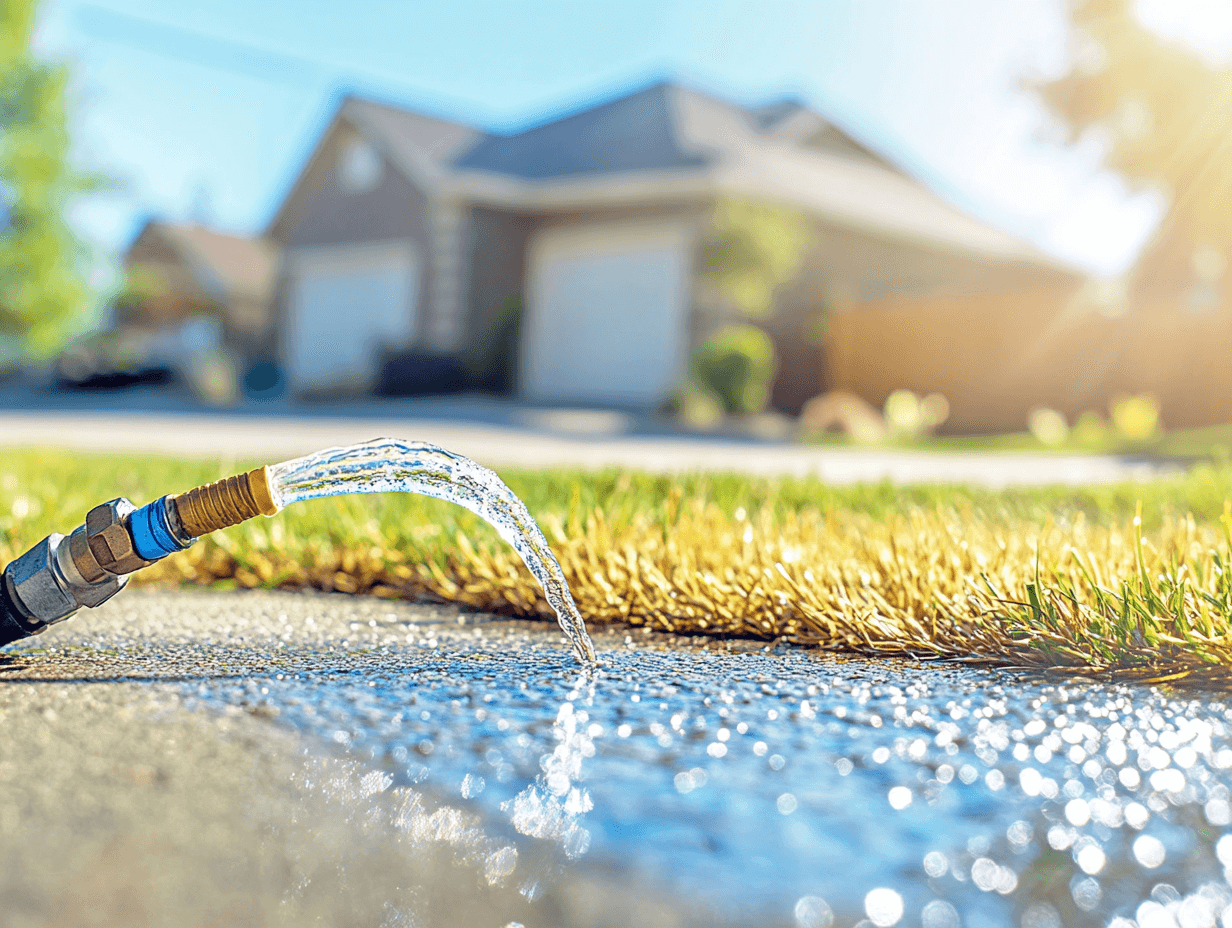
- Outdoor hoses — disconnect and drain them, and shut off exterior hose bib valves if your home has interior shutoffs for them. A hose left connected under pressure all summer accelerates wear on the bib itself.
- The base of toilets, behind the dishwasher, and around your hot water tank — look for moisture, staining, or rust.
- Your sump pump — confirm it’s operating and the discharge line is clear, especially before any trip during periods of heavy summer rain.
Our water pressure guide covers what high or fluctuating pressure can do to supply lines over time, which is worth a read if your home is in a lower-elevation area of Kelowna where pressure tends to run high.
Set Your Thermostat — Don’t Shut It Off
It’s tempting to turn the AC off entirely to save on energy while you’re away, but in a Kelowna summer that can backfire. A home that sits closed up at extreme temperatures for a week puts stress on the home itself — humidity rises and encourages mould growth behind walls and in closets, wood furniture and flooring can warp, and once you turn the system back on, the AC works overtime to bring the temperature down all at once, stressing components in the process.
Instead, set your thermostat to an away temperature rather than turning the system off. For an empty home with no pets, 26°C to 28°C keeps things stable and protects against heat and humidity buildup. If you have pets staying home, target no higher than 24°C to 26°C — most dogs and cats are comfortable up to about 26°C, but individual factors like breed, coat length, and age mean the lower end of that range is the safer default. If you have a smart thermostat, most models let you adjust the schedule remotely, so you can even dial the temperature back down a day before you’re due home.
If your AC has been running longer than usual to reach its set temperature even before you leave, that’s worth looking at before your trip rather than after. Our AC maintenance service covers exactly these kinds of pre-season performance checks.
Replace Your AC Filter Before You Leave
A clean filter means better airflow and less strain on a system running unattended. If your filter is overdue, swap it out before your trip. This is especially relevant if you’ve been running the AC regularly in the weeks leading up to your vacation — summer is peak season for filter loading, and a clogged filter is one of the most common reasons an AC underperforms.
Clear Around Your Outdoor Unit
Take a quick walk around your outdoor condenser before you leave. Clear away any debris, overgrown grass, or landscaping that has crept within 30–60 cm of the unit. Restricted airflow forces the system to work harder and can cause overheating. Do not cover the unit while you’re away during summer — covers are for off-season storage, not for an actively running system.
Don’t Forget the Water Heater
If you’re leaving for more than a week, your hot water tank doesn’t need to hold full temperature with nobody using it. Most tanks have a “vacation” or “energy saver” mode that maintains a lower standby temperature and recovers before you’re back. If yours doesn’t have that option, turning it to its lowest setting achieves a similar result.
For longer absences, fully powering down the unit is reasonable, but plan for some recovery time when you return. If your water heater has been showing signs of age — slower recovery, unusual noises, inconsistent temperatures — it’s worth having it looked at before your trip. Learn more about our hot water tank and tankless water heater services.
Flush Your Drains Before You Go
Run water through every sink, shower, and floor drain for about 30 seconds before leaving. P-trap water can evaporate over a long trip, allowing sewer gases to enter the home. If you have a floor drain in the basement or laundry room, top it up on your way out.
Line Up Someone to Check the House
No checklist replaces a second set of eyes. Ask a neighbour, friend, or family member to walk through the house every few days — especially after any stretch of heavy rain or prolonged heat. Give them the basics: where the main water shutoff is, what a normal thermostat reading looks like, and who to call if something looks wrong.
If you don’t have anyone local, a smart leak detection system with remote alerts is a reasonable substitute. If you’d like to know more about how these systems work, our water leak detection page has the full picture.
Before You Walk Out the Door: Quick Summary Checklist
Plumbing
- Main water supply shut off (for trips longer than 2–3 days)
- Under-sink, washing machine, and appliance connections checked for leaks
- Outdoor hoses disconnected and drained; hose bib interior valves shut
- Water heater set to vacation mode or lowest setting
- All drains flushed — floor drain topped up
- Sump pump tested and discharge line clear
HVAC
- Thermostat set to 26–28°C away temperature (not turned off)
- AC filter replaced if overdue
- Outdoor condenser unit cleared of debris
Optional but recommended
- Smart leak detection system active and connected
- Trusted neighbour or property manager briefed with shutoff location and contact number
- Home insurance policy reviewed — confirm water damage coverage while unoccupied
What To Do the Day You Get Home
Before you unpack, do the reverse of your pre-trip walkthrough: turn the water main back on and listen for it filling normally, check under sinks and around the water heater and washing machine for any sign of moisture, and bring your thermostat back to your regular schedule. If anything looks off — even something minor like a slightly damp patch of carpet — it’s worth a call before it becomes a bigger problem.
Our emergency plumbing team is available 24/7 across Kelowna and the Okanagan if you come home to something that can’t wait.
Frequently asked questions
For trips under two weeks, switching to vacation or energy-saver mode is usually sufficient and means you’ll have hot water within an hour or two of returning. For longer absences, fully powering down is reasonable — just plan for extra recovery time when you’re back.
It depends on whether pets are home. For an empty house, 26°C to 28°C is a reasonable range that protects against heat and humidity damage without running the system at full cost. If pets are staying home, keep it at 24°C to 26°C — most healthy dogs and cats are comfortable up to around 26°C, but breed, age, and coat all affect tolerance, so erring toward the cooler end is the safer call.
If you travel more than once or twice a year, or own a second property in the Okanagan that sits empty for stretches at a time, a smart shutoff system pays for itself quickly against the cost of even one undetected leak.
Yes — leave it active and ready. Test it before you leave by pouring water into the pit to confirm the float triggers correctly. If your area gets heavy summer storms, a battery backup is a smart addition before you go.
