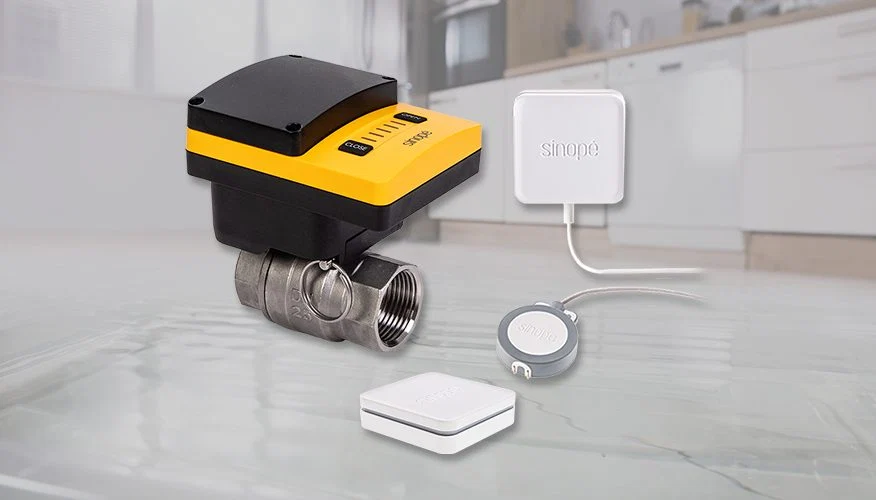
Quick Answer: A smart water shutoff valve, like Sedna by Sinopé, monitors your home’s plumbing for leaks and abnormal water flow and automatically shuts off the main supply if it detects a problem; even when you’re travelling and nobody is there to notice. For homeowners who leave the Okanagan for weeks or months at a time, whether for a winter trip south or a summer at the cabin, it’s the difference between coming home to a minor alert and coming home to a flooded basement.
If you travel regularly (whether that’s a two-week summer trip or spending winters away from the Okanagan entirely) an unattended home is the single biggest plumbing risk you have. A leak that would get caught within hours if you were home can run for days or weeks while you’re gone. We’ve covered how Sedna by Sinopé works as a product in detail elsewhere; this guide focuses specifically on what changes for you as a traveller, and what to actually do before you lock the door.
Why Travel Changes the Risk Calculation
A leak in an occupied home is usually caught fast: a puddle on the kitchen floor, a running-toilet sound, a spike in water pressure noise. None of those warning signs exist when nobody’s home. A slow leak behind a washing machine or under a bathroom vanity can run continuously for the entire length of a trip, and by the time you’re back, the damage has had days or weeks to spread into subfloors, drywall, and insulation rather than being caught the same day it started.
This is exactly the gap a smart shutoff valve closes. Instead of relying on a person noticing water where it shouldn’t be, wireless sensors detect it directly — at the fixture or along the pipe — and the system can shut off your main water line automatically before the leak has a chance to spread.
Setting Up Before a Trip, Not During One
If you’re installing a smart shutoff valve for the first time, do it well before your departure date, not the week you’re packing. Professional installation includes placing the main valve, positioning wireless leak and frost sensors around known risk areas (under sinks, behind the water heater, near the washing machine), and testing that everything communicates correctly. Rushing this the day before a flight is how sensors end up placed somewhere convenient rather than somewhere useful.
If you already have the system installed, your pre-trip routine is much simpler: confirm the app shows all sensors online, check the backup battery status on the main valve, and do a quick test to make sure you’re still receiving alerts on your phone. This takes ten minutes and belongs on your pre-vacation plumbing and HVAC checklist alongside everything else you check before leaving.
Monitoring Your Home While You’re Actually Away
This is where the traveller use case differs most from a homeowner who’s simply home most of the time. When you’re travelling (especially internationally or somewhere with unreliable data service) you need to know the system will still protect your home even if you can’t check your phone every day.
Because the valve and sensors communicate over a local radio connection rather than relying on your home’s Wi-Fi, the system keeps working and can still shut off water automatically even during an internet outage or a power outage — the main valve includes a battery backup. You don’t need to be checking the app constantly for the protection to work; the automatic shutoff happens regardless. The app notifications let you know what happened and help you decide whether the trip needs to end early, but they’re not a requirement for the system to do its job.
What Happens If You’re Away When It Shuts Off
If the system detects a leak and shuts off your main water line while you’re away, you’ll get a notification (but you won’t have running water in the house until someone resets the valve or a technician clears the underlying issue). For a short trip, this usually means it can wait until you’re home. For a longer absence, this is where having a local contact matters: someone with a key who can check the specific area the app flagged, confirm there’s actual water present versus a false trigger, and coordinate with a plumber if needed while you’re still away.
The Insurance Angle Worth Knowing
Water damage is consistently one of the most common and expensive home insurance claims, and insurers are increasingly aware that unattended properties carry higher risk. Some Okanagan insurers offer premium credits for homes with automatic water shutoff systems installed, particularly for seasonal or vacation properties that sit empty for extended stretches. It’s worth a call to your specific provider to ask directly — coverage and any available discount vary by policy and insurer — but it’s a conversation worth having if you own a property that regularly sits empty.
Why This Matters Even More for Seasonal and Second Properties
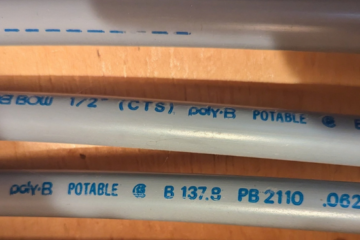
If you own a cabin, lake property, or second home in the Okanagan that sits empty for months at a stretch rather than weeks, the case for a smart shutoff valve is even stronger. A property checked once a month by a caretaker has a much longer window for undetected damage than a primary residence you’re back in every couple of weeks. This is especially relevant for older Okanagan properties still running original plumbing, where the baseline risk of a slow failure is already higher.
Travel With One Less Thing to Worry About
If you’re planning a trip and want your home protected the entire time you’re gone — not just the parts you happen to check on your phone — a smart water shutoff valve is one of the highest-value upgrades an Okanagan homeowner can make. Vision Plumbing Heating Cooling is Canada’s largest Sedna by Sinopé dealer and installs these systems across Kelowna, West Kelowna, Vernon, Summerland, Peachland, and Penticton. Learn more about our water leak detection and flood prevention services or contact us to get set up before your next trip.
Frequently Asked Questions
No. The main valve and wireless sensors communicate over a local radio connection, not your home Wi-Fi, so the automatic shutoff function keeps working even during an internet or power outage. Wi-Fi is only needed for you to receive remote notifications on your phone.
If you have a local contact with a key, have them check the flagged area and confirm whether it’s a real leak or a false trigger. If you don’t have anyone local, most systems let you review sensor history remotely to help a plumber diagnose the likely cause before you’re back to let them in.
Even a two-week trip is long enough for a slow leak to cause significant damage, so the protection is valuable either way. The case gets stronger the longer and more frequent your trips are, since the total unattended time adds up over a year.
Some insurers offer premium credits for homes with automatic shutoff systems, especially seasonal properties, but this varies by provider. Check directly with your insurer to confirm what applies to your policy.