Quick Answer: Your air conditioner does not “burn” refrigerant like fuel; it circulates it in a closed loop to move heat out of your home. If your system is low on refrigerant, there is a physical leak. Common causes include formicary corrosion (micro-pinholes in copper coils), loose connections due to unit vibration, or physical damage. Signs of a leak include warm air from vents, ice on the indoor coil, or hissing sounds. Because handling refrigerant is regulated in British Columbia, you must call a licensed HVAC technician to locate, repair, and recharge the system.
On a sweltering Kelowna summer day, an AC blowing warm air is a crisis. The most common (and misunderstood) culprit is a refrigerant leak. To understand why your system is failing, you first need to understand what this substance is and how it functions within your home’s cooling architecture.
Refrigerant vs. “Freon”: What’s the Difference?
“Freon” is a brand name (owned by Chemours, formerly DuPont) that became so popular it is often used as a generic term for all refrigerants, much like “Kleenex” is used for tissues. However, not all refrigerant is Freon.
As of 2026, the specific type of refrigerant in your system critically impacts your repair costs and options. Older systems used R-22 (the original “Freon”), which is now phased out in Canada due to its ozone-depleting properties. Most systems installed in the last 15 years use R-410A. However, we are currently in the midst of a massive industry shift to A2L refrigerants (such as R-454B or R-32), which have a significantly lower global warming potential. If you have an older R-22 unit, a leak often means the system is “obsolete” because the cost of reclaimed gas is prohibitively high.
How Your AC Uses Refrigerant to Cool
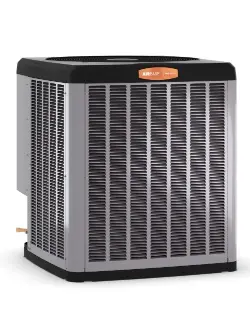
Your air conditioner doesn’t “create” cold air; it is essentially a heat-moving machine. Refrigerant is the “vehicle” that carries heat from inside your home and dumps it outside. This happens through a continuous cycle of evaporation and condensation:
- Absorption: Cold liquid refrigerant flows through the evaporator coil (located inside your home). As the furnace fan blows warm air over these coils, the refrigerant absorbs the heat and transforms into a gas.
- Compression: The compressor (the large pump in your outdoor unit) squeezes this gas, which causes its temperature to rise significantly.
- Release: This hot gas travels through the condenser coil (the fins on your outdoor unit). A fan blows outside air across the coils, releasing the heat into the Okanagan air. This causes the refrigerant to cool down, turn back into a liquid, and head back inside to start over.
If there is a leak anywhere in this loop, the “vehicle” can’t carry enough heat. The system will run longer and longer, trying to reach your thermostat’s set temperature, which leads to high energy bills and eventual mechanical burnout.
Common Causes of Refrigerant Leaks
Refrigerant lines are made of metal, but they are subject to environmental and mechanical stresses that cause failures over time.
- Formicary Corrosion This is the leading cause of “mystery” leaks. It occurs when copper reacts with moisture and volatile organic compounds (VOCs) found in common household items like cleaners, hairspray, or even new carpeting. This reaction creates microscopic, ant-tunnel-like pinholes in the copper tubing. These leaks are often so small they can’t be seen without specialized equipment, but they will slowly drain your system’s charge over a season.
- Vibration and Friction The compressor in your outdoor unit creates constant vibration while running. If a refrigerant line is touching a metal bracket or another pipe, that vibration can act like sandpaper. Over years of operation, it can rub a hole right through the copper.
- Thermal Expansion and Contraction In the Okanagan, our HVAC systems face extreme temperature swings. Metals expand when they are hot and contract when they are cold. Over a decade or more, this constant “movement” can weaken the soldered joints or flared fittings that hold the system together.
The 2025/2026 Refrigerant Transition
If you are facing a leak repair in 2026, you are navigating a complex regulatory environment. Canada is currently phasing down R-410A, the refrigerant used in most homes today. According to the Government of Canada’s HFC Phase-down schedule, high-GWP (Global Warming Potential) refrigerants like R-410A are being restricted in favor of A2L refrigerants (such as R-454B or R-32). If you have an older R-22 unit, a leak often means the system is “obsolete” because the cost of reclaimed gas is prohibitively high.
- If you have an R-410A system: While still serviceable, the price of this refrigerant is rising as production quotas drop. A major leak in an older R-410A unit often justifies a full system upgrade to a newer, more efficient model. You might consider checking our blog on when to repair vs. replace your AC to help weigh the costs.
- The Rise of A2Ls: New units are now using A2L refrigerants. These are much better for the environment but require specialized tools and safety sensors. If you are looking at a full AC installation service, you are likely moving into this new generation of technology.
Signs Your AC Is Leaking Refrigerant
Beyond just “feeling warm,” there are several physical signs of a leak:
- Ice on the Coils: When refrigerant is low, the pressure drops, causing the evaporator coil to become much colder than intended. This causes moisture in the air to freeze instantly on the coil. If you see ice, turn the system off immediately.
- Hissing Sounds: A large leak will often make an audible hissing or bubbling sound near the indoor or outdoor unit.
- Increased Humidity: Since the AC isn’t cooling properly, it also stops dehumidifying, leaving your home feeling “sticky.”
Why “Topping Off” Is a Bad Idea
It is a common misconception that you can just “add more gas” every summer. In British Columbia, it is actually illegal for a technician to knowingly add refrigerant to a leaking system without attempting a repair. Furthermore, adding refrigerant without fixing the leak is a waste of money; the gas will simply escape again, and the fluctuating pressures will eventually kill your compressor.
Proper repair involves a “Search and Seal” process using electronic leak detectors or nitrogen pressure tests. For more on how we maintain these systems to prevent these issues, see our guide on AC maintenance in Kelowna.
Choosing Between Repair and Replacement
If your unit is less than 10 years old and the leak is in a reachable joint, a repair is usually the best path. However, if the leak is located deep inside the fins of the evaporator coil, the cost of a new coil plus the expensive refrigerant often approaches the cost of a new system. If you are also using an older heating system, this might be the perfect time to look into a high-efficiency heat pump, which handles both heating and cooling while qualifying for various rebates.
Frequently Asked Questions About AC Refrigerant
In a properly sealed system, refrigerant lasts the entire life of the unit (15–20 years). It is never consumed or “burnt” during operation. If you are low, you have a leak.
Costs vary based on the leak location and refrigerant type. While minor repairs are affordable, leaks in older R-22 or R-410A coils often make system replacement more cost-effective due to the high cost of the gas itself.
R-454B and R-32 are the new industry standards as of 2025/2026. They are more environmentally friendly but require specialized equipment and certified handling. You can learn more about these transitions in our spring AC tune-up guide.
Low refrigerant levels cause the remaining liquid to expand too much and become too cold, freezing the moisture on your evaporator coil. Turn the unit off and call a technician to avoid compressor damage.
No. Federal and provincial regulations require a certified technician with an ODP (Ozone Depletion Prevention) card to handle or purchase refrigerant. DIY kits are intended for automotive use and can destroy a residential HVAC system.
Most modern refrigerants are odorless. However, because refrigerant is mixed with oil to keep the compressor lubricated, a large leak might produce a faint, sweet, or “chemical” oily smell near the unit.